Desarchivar la Historia: Cuerpo, Memoria y Territorio
FLACSO, QUITO - ECUADOR
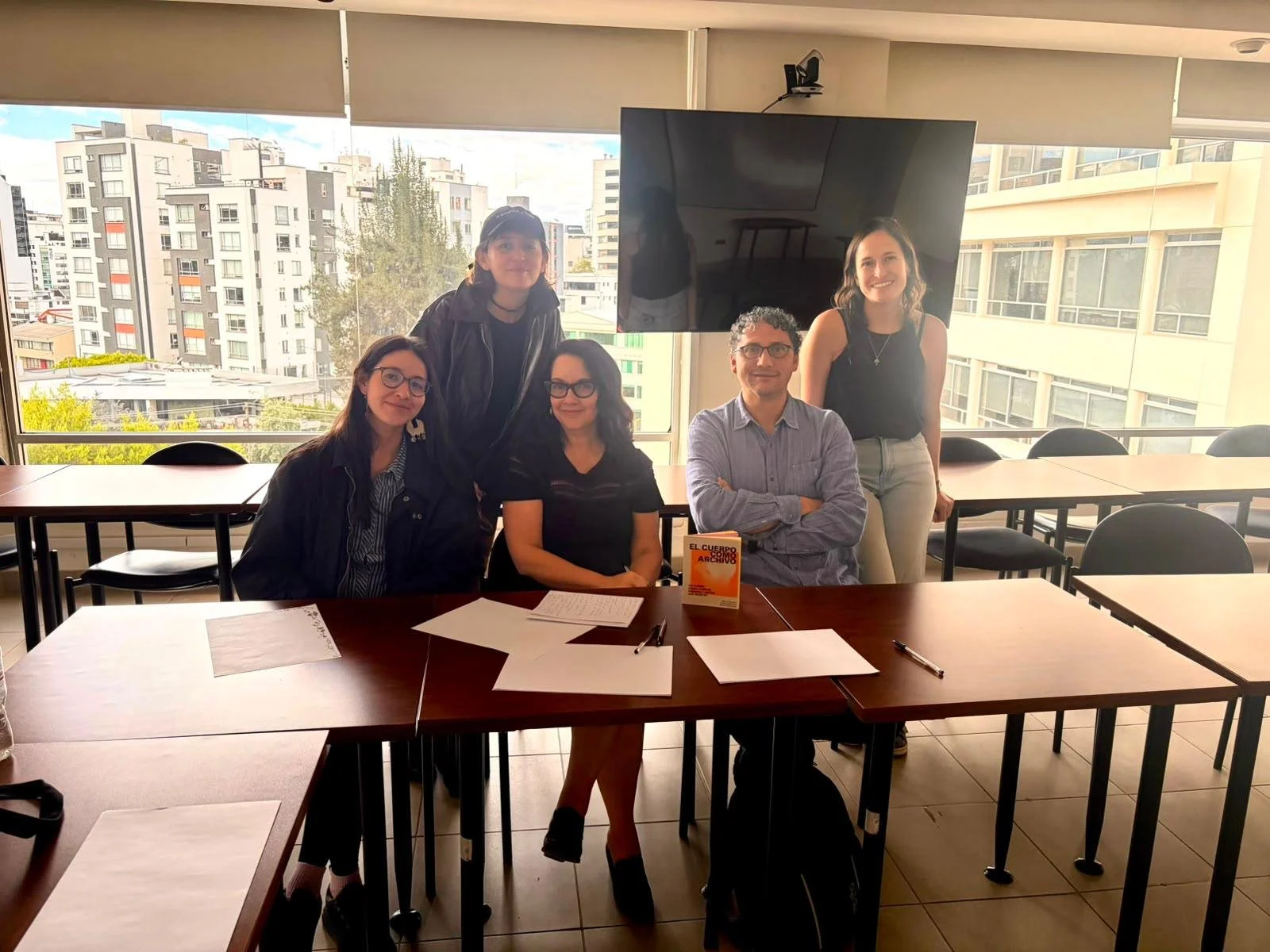
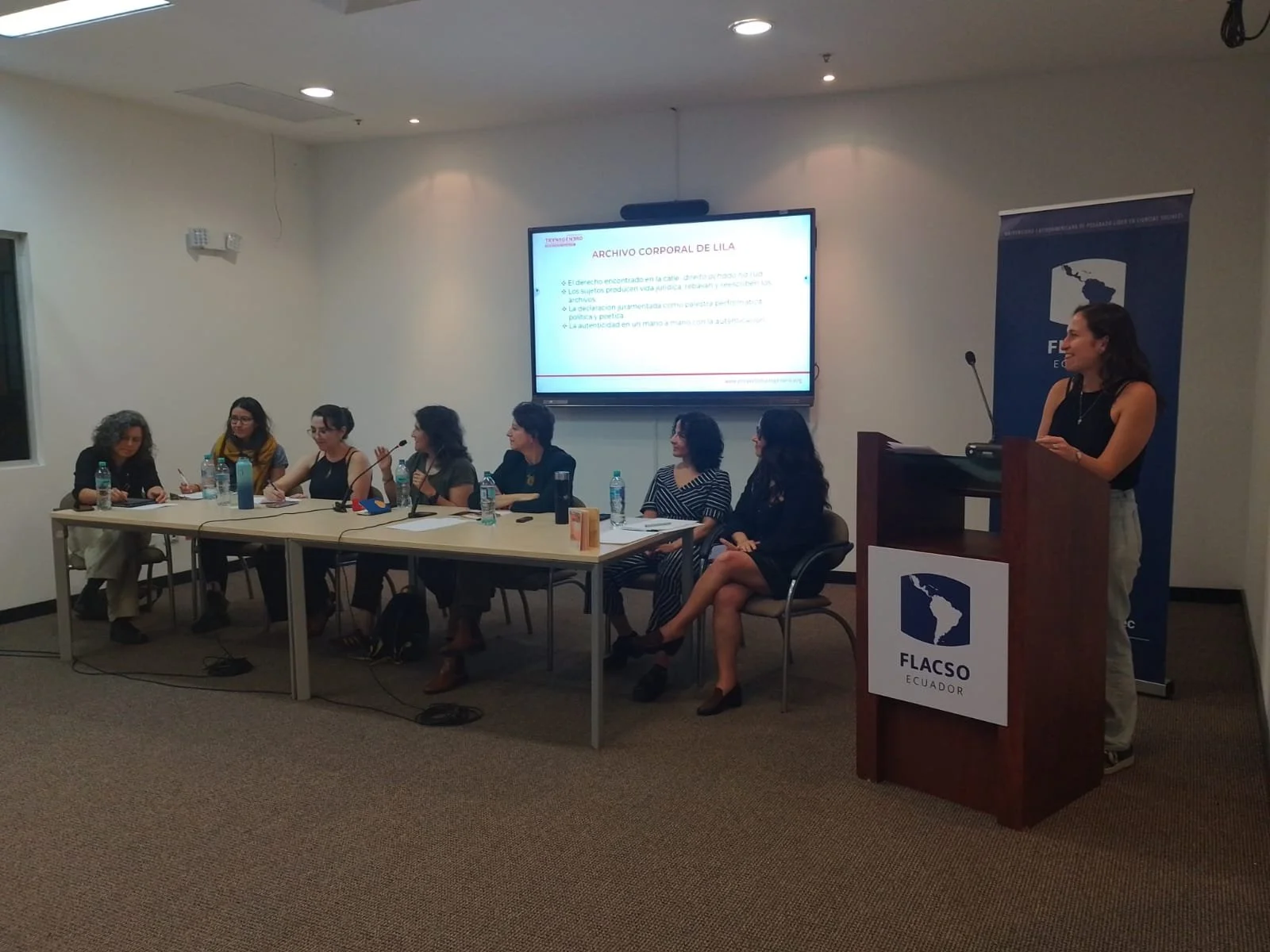
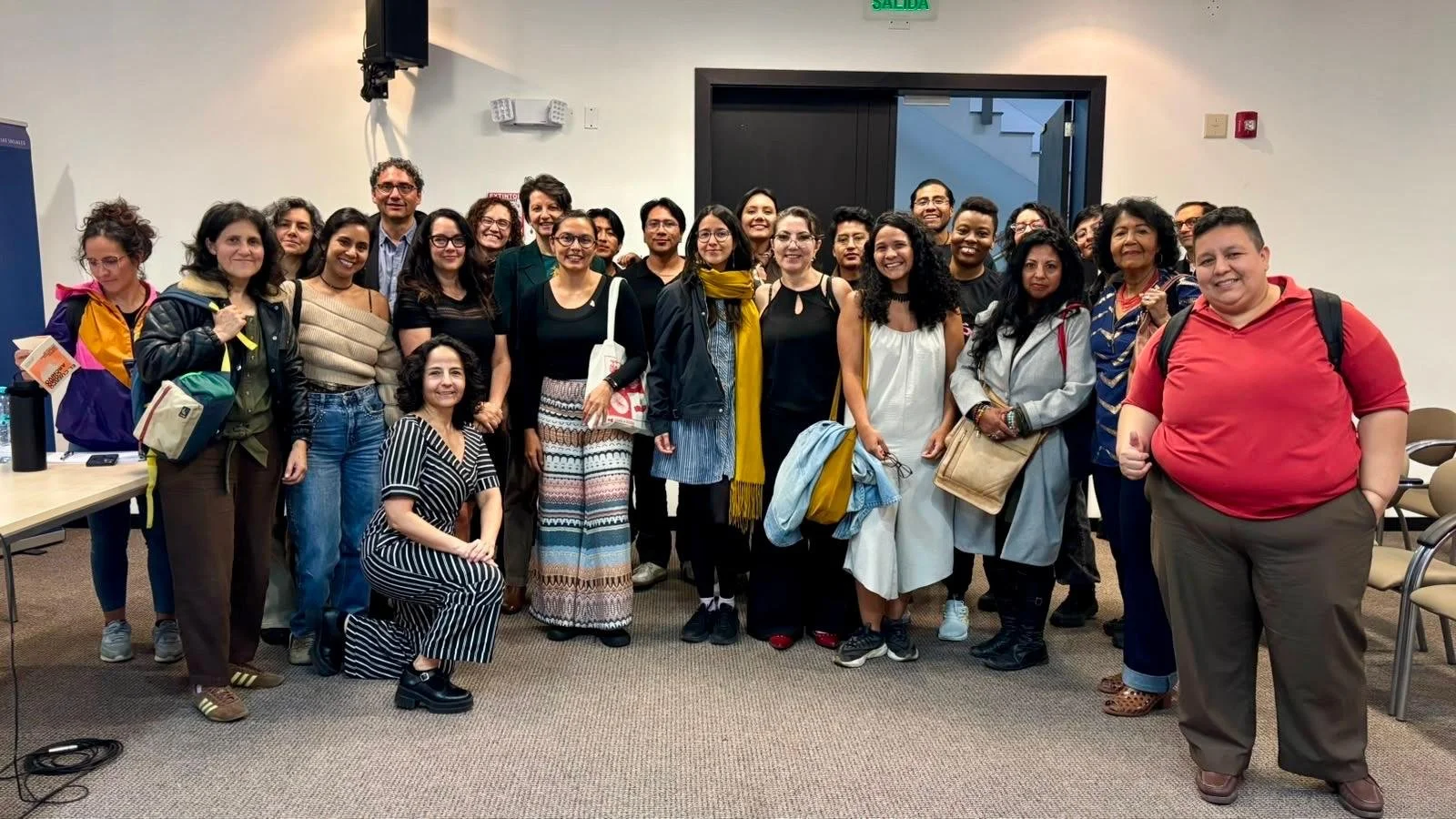
In July 2026, Body as Archive joined FLACSO Ecuador's Jornadas de Conocimiento, Desarchivar la Historia: Cuerpo, Memoria y Territorio, an interdisciplinary gathering that convened researchers, artists, archivists, anthropologists, historians, and community practitioners to critically examine the archive as a living, embodied, and relational practice.
Through workshops, panels, and collaborative dialogue, the event invited participants to question conventional archival institutions and explore how memory is created, transmitted, and sustained beyond official records.
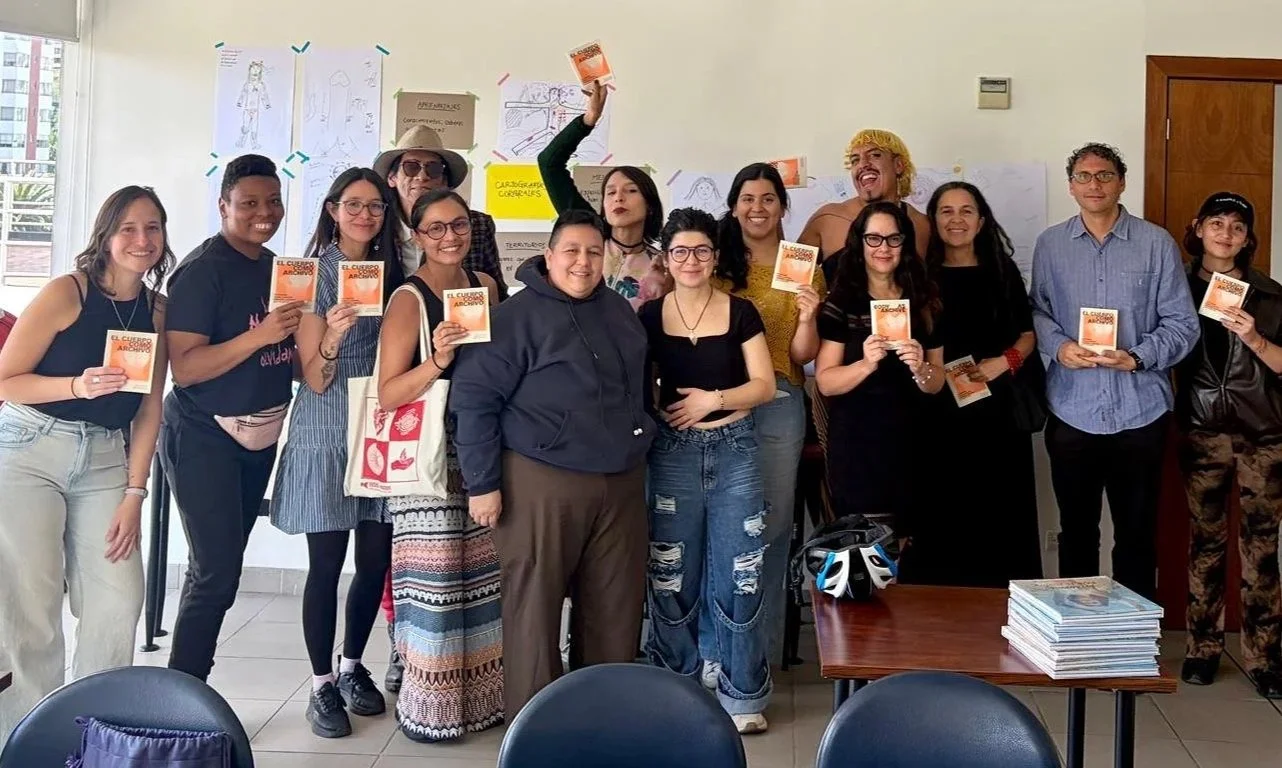
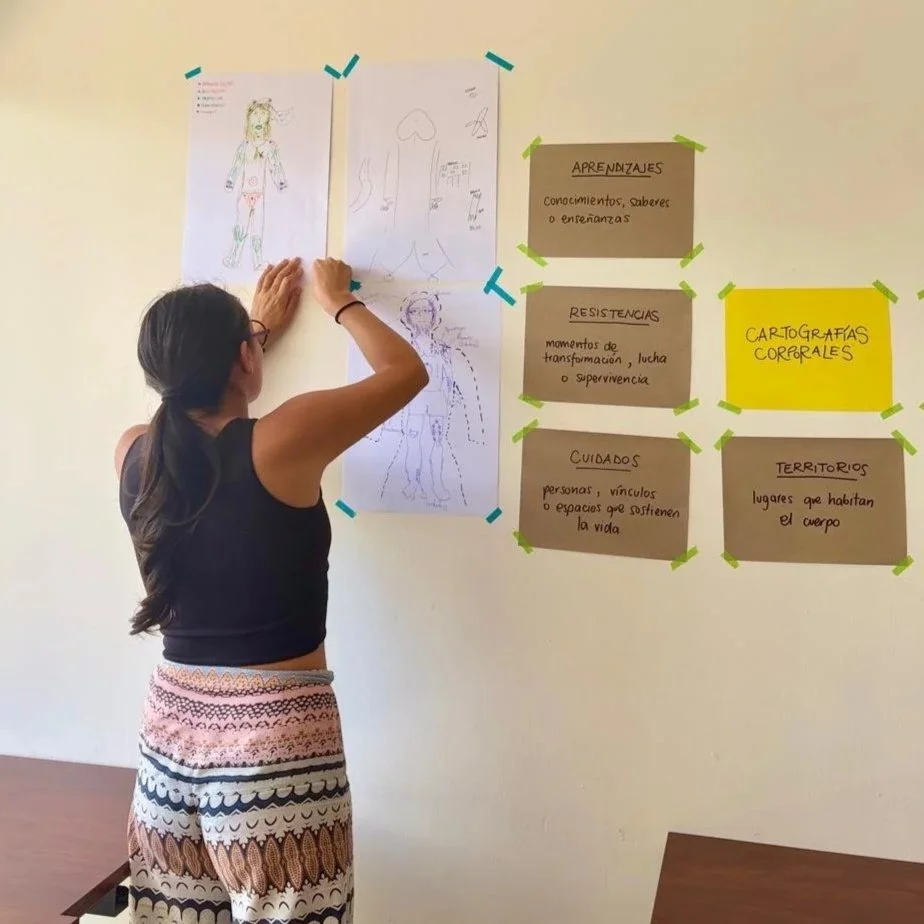
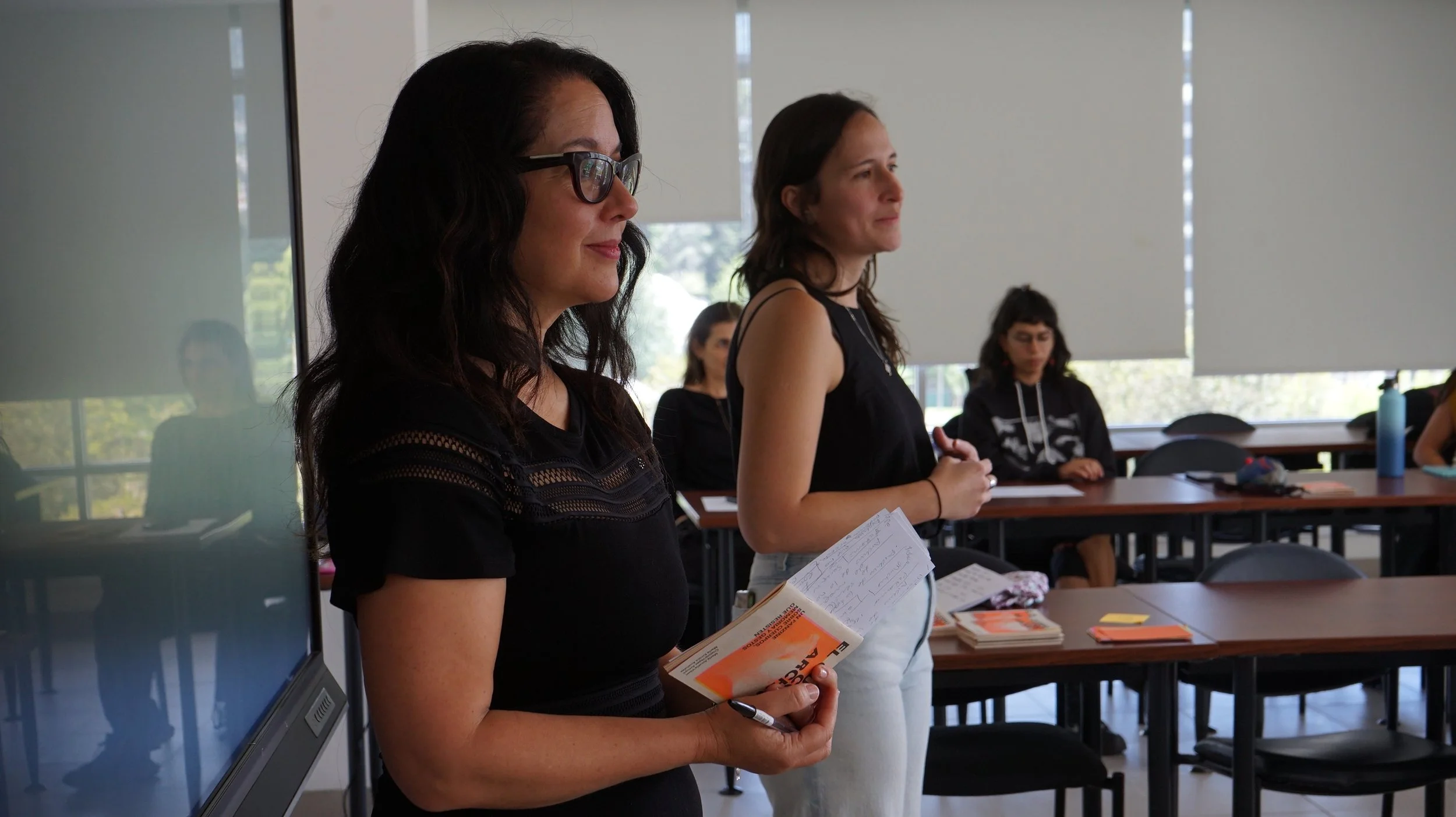
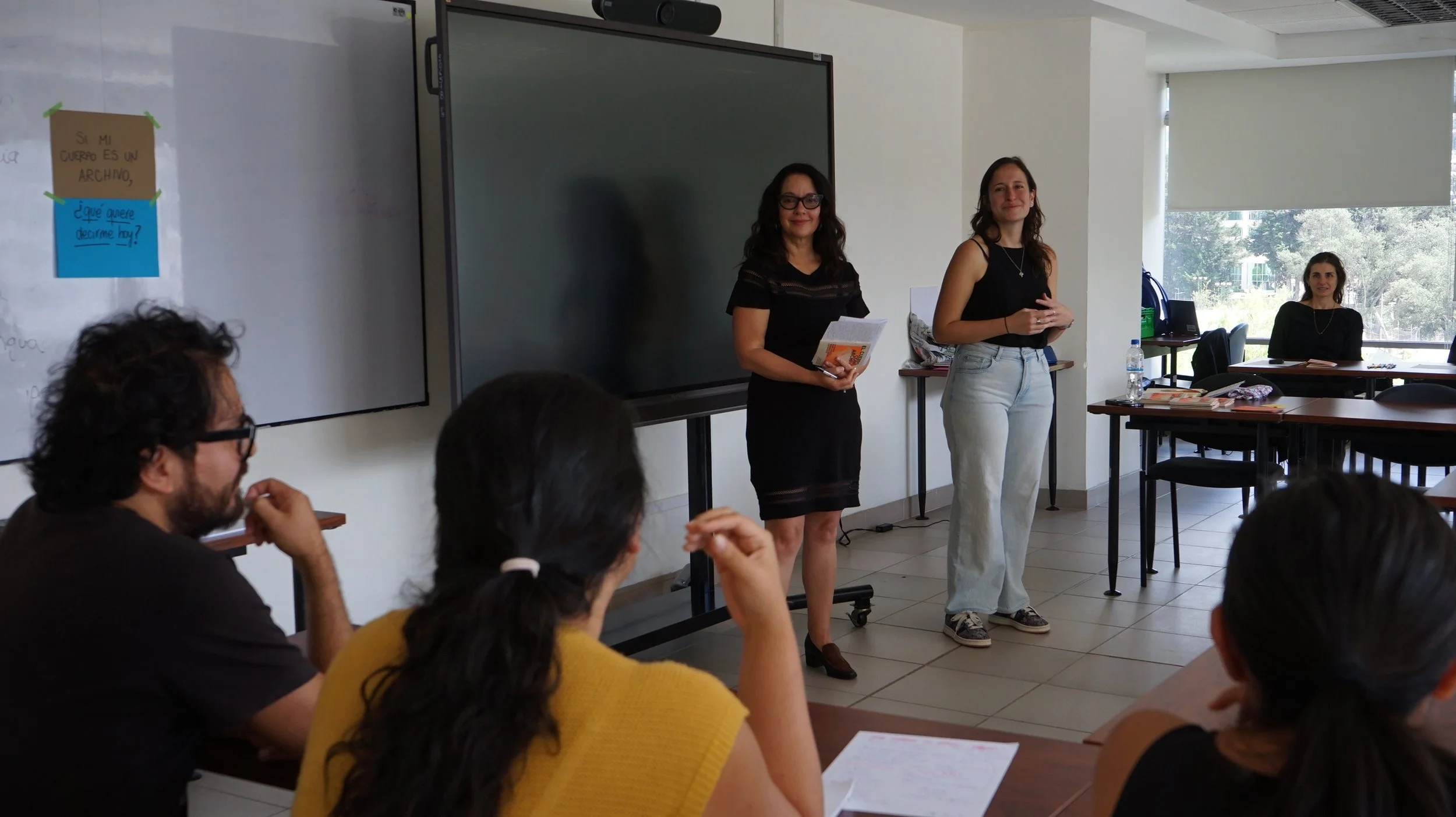
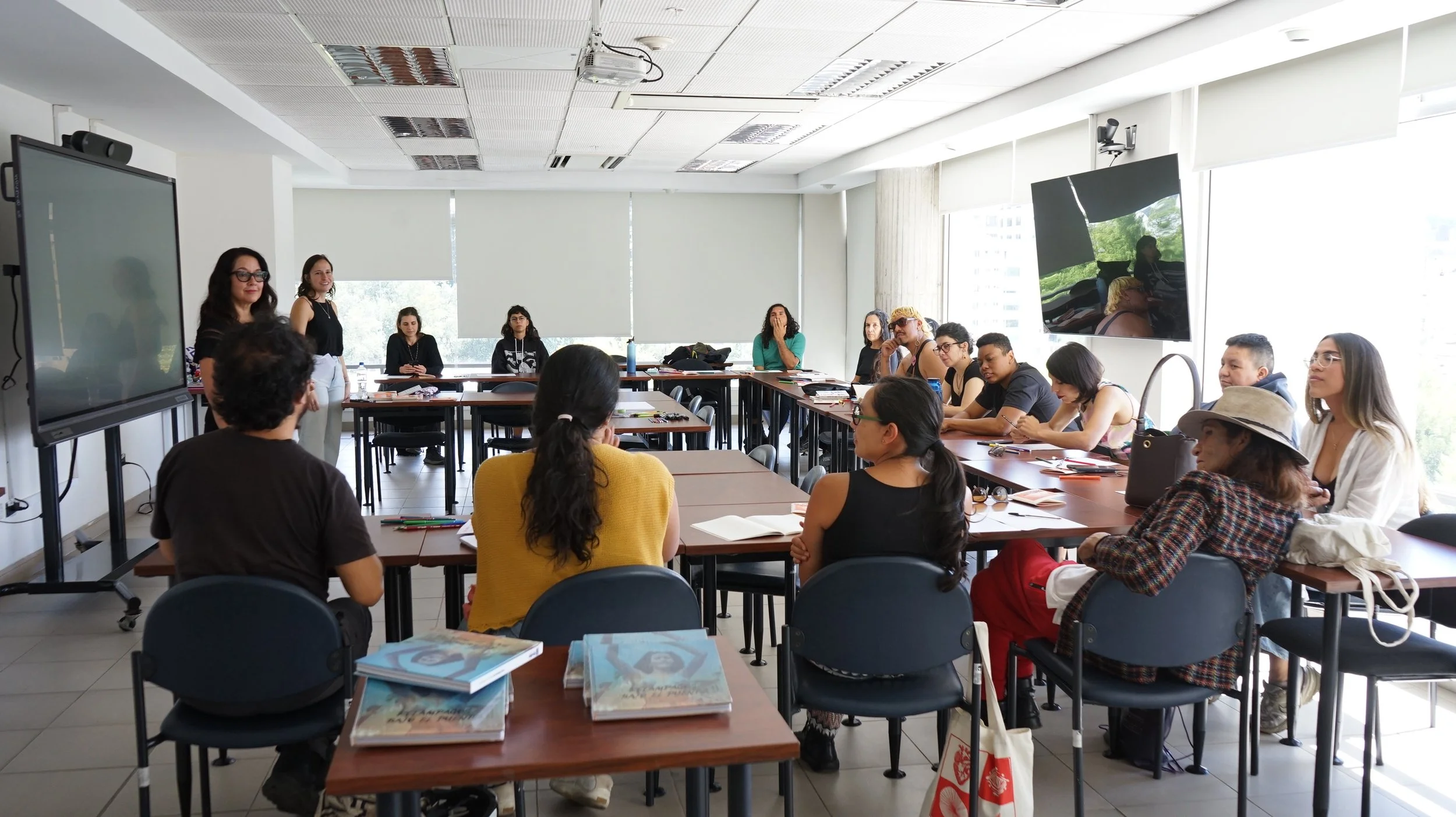
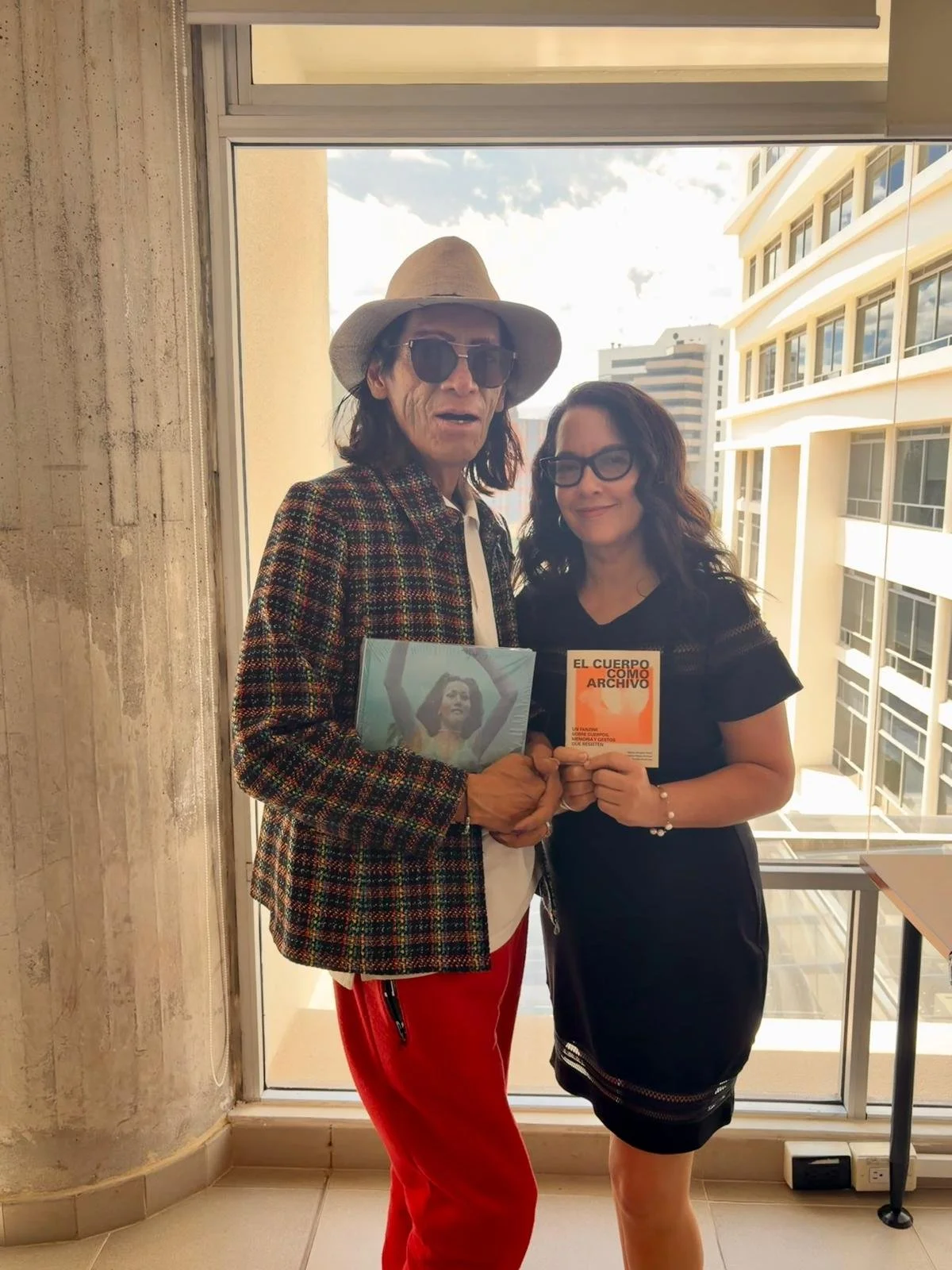
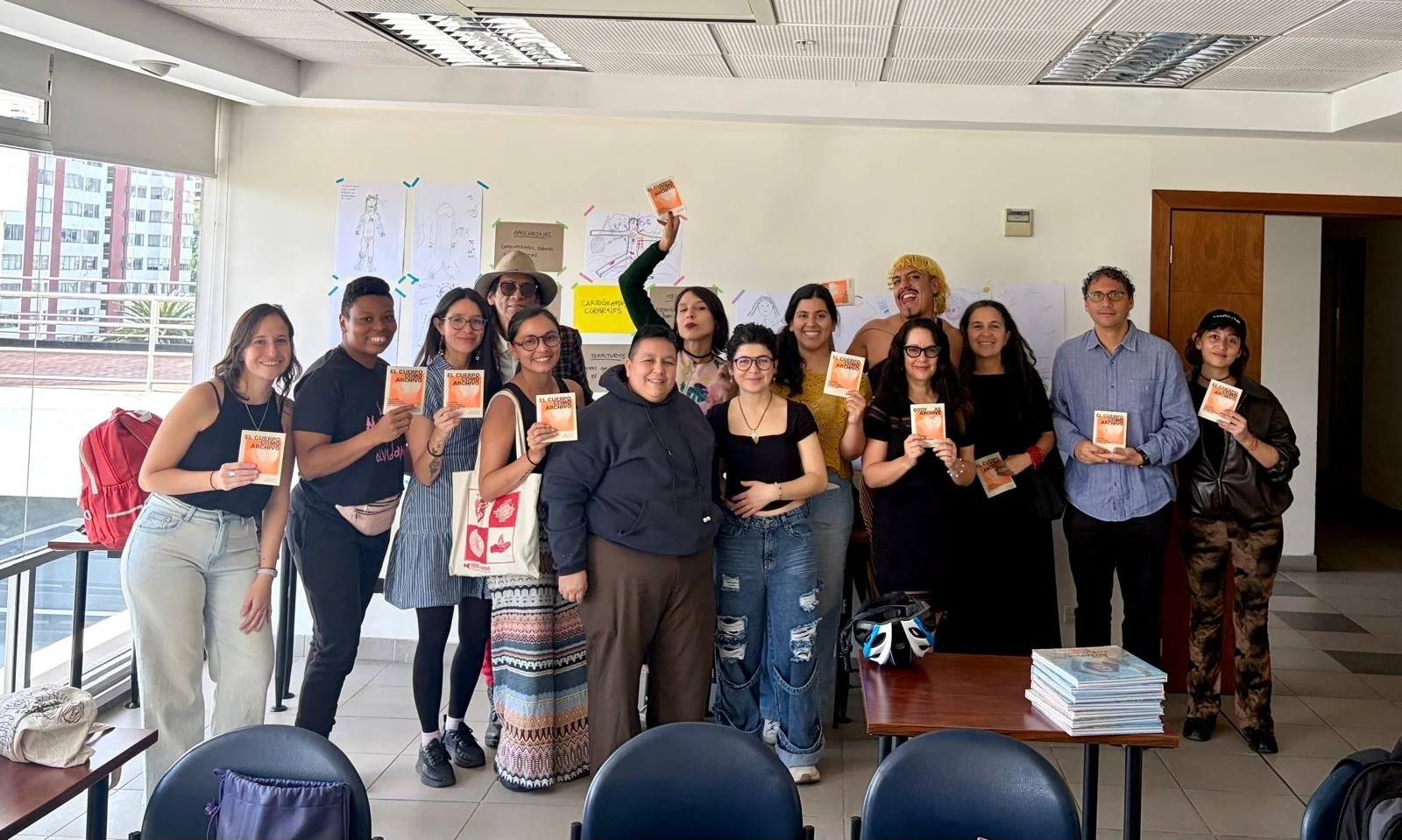
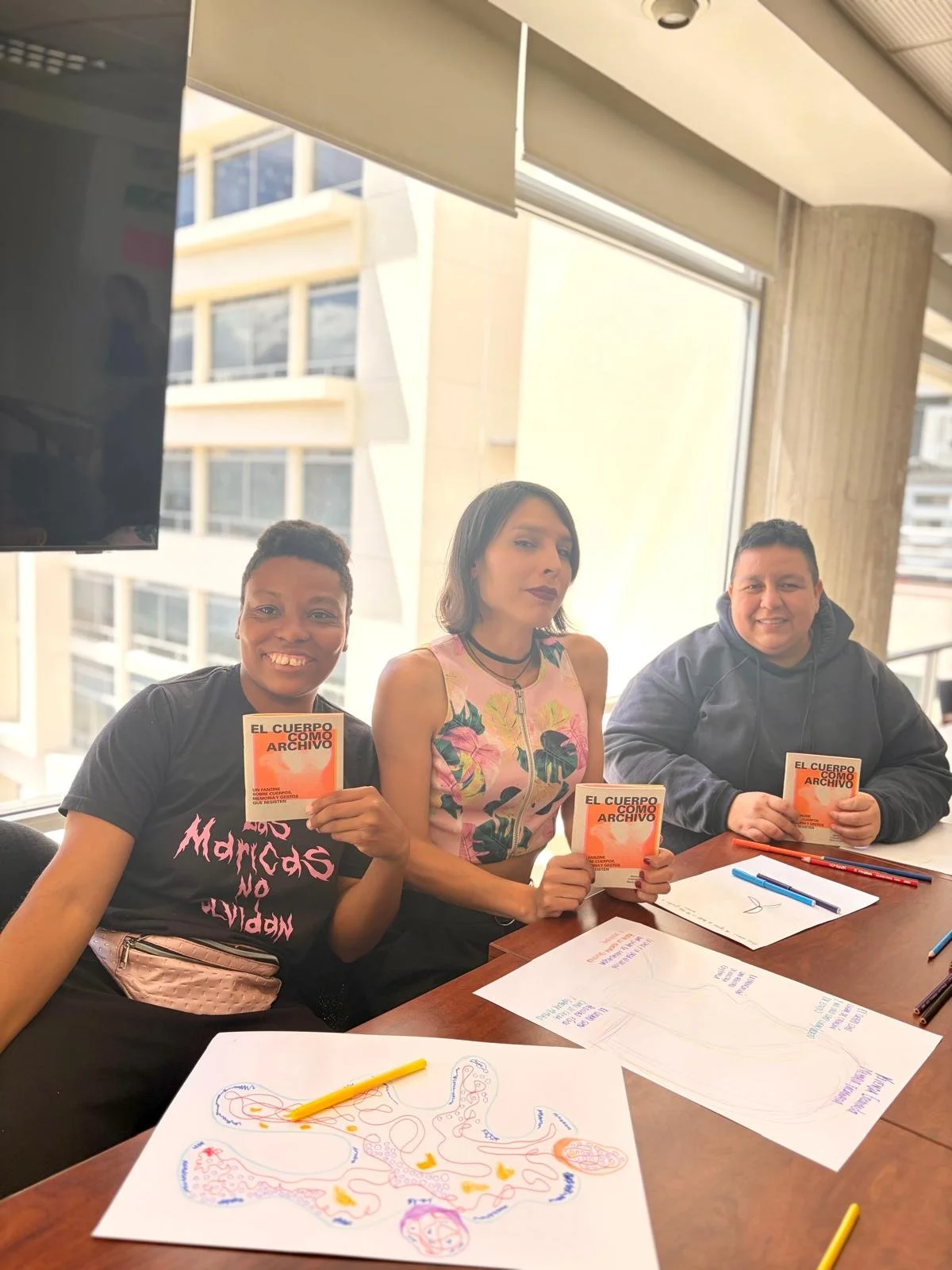
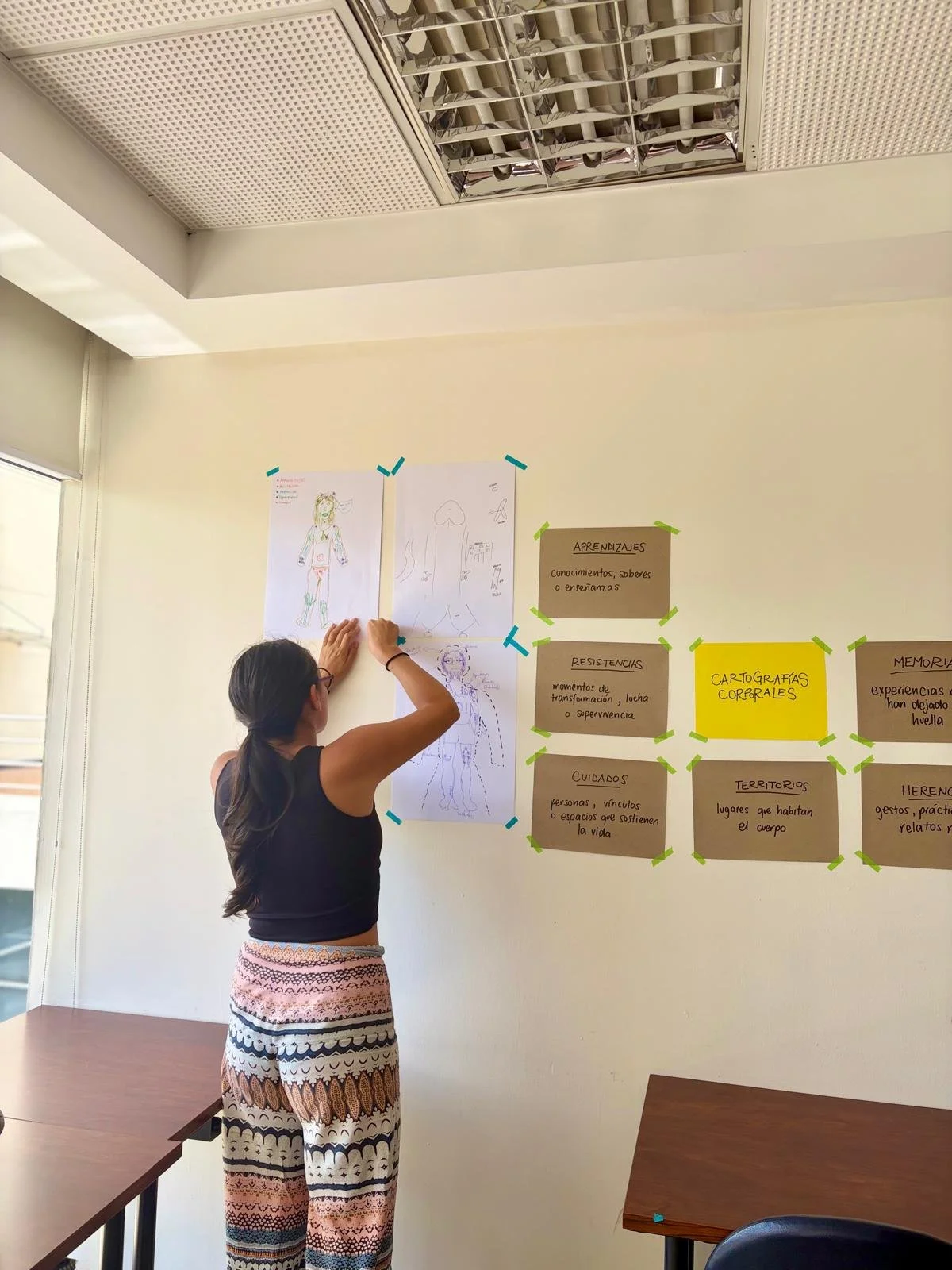
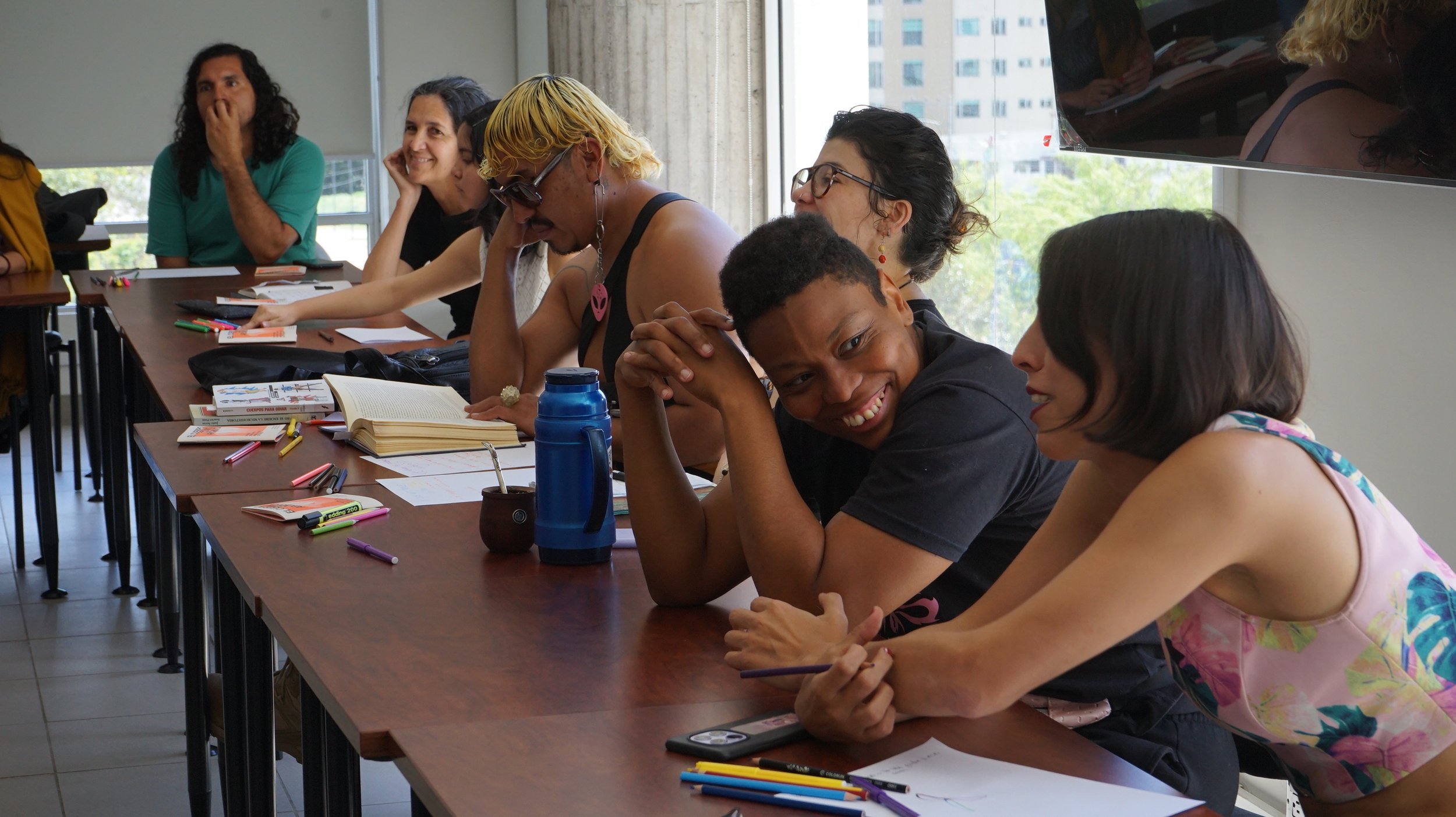
As part of the program, our team facilitated Cartografías Corporales: El Cuerpo como Archivo, an immersive workshop that introduced participants to embodied research methods, including body mapping, sensory ethnography, soundwalking, movement, oral storytelling, and collective reflection. Using the Body as Archive fanzine as a tactile and interactive guide, participants engaged with memory not as a static record, but as an ongoing practice carried through bodies, gestures, relationships, and everyday acts of care.
The conversations that emerged expanded the very meaning of the archive. Participants imagined archives of rivers and disappearing landscapes, dreams and silence, textiles and seeds, migration, trans memory, Indigenous cosmologies, menopause, environmental loss, chosen names, sound, and community care. Together, we explored how archives can move beyond institutional collections to include embodied knowledge, oral histories, sensory experience, and forms of memory that have long remained invisible or undervalued.
The workshop concluded with a shared commitment to reimagining archival practice as an act of care, justice, and collective imagination. At Body as Archive, we believe that archives are not only preserved in libraries and museums—they are also carried in bodies, territories, relationships, and the stories we continue to tell together.