Our Methods
-
Body Mapping
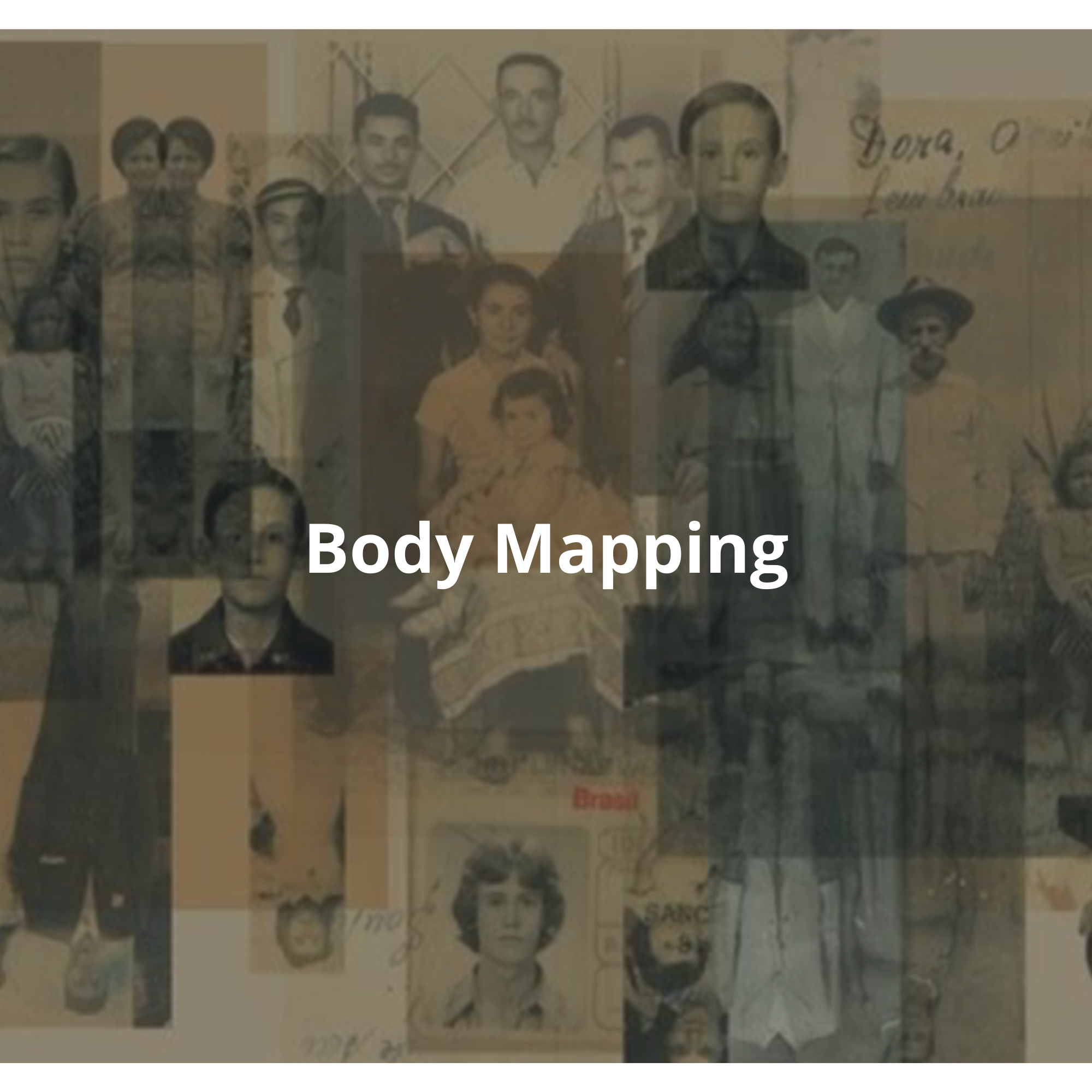
Body Mapping is a participatory arts-based methodology that uses the body as a canvas for storytelling. Through life-sized visual representations, participants explore memories, identities, emotions, relationships, and lived experiences that may be difficult to express through words alone.
By combining drawing, writing, symbols, color, and narrative, body maps become personal archives that reveal the intersections between body, memory, and place.
Body Mapping can help explore:
Migration and belonging
Identity and self-perception
Health and wellbeing
Life transitions
Community memory
Personal and collective resilience
"What stories does the body carry?"
-
Embodied Methods
Embodied Methods recognize that knowledge is not only intellectual—it is also physical, emotional, sensory, and relational. We understand the body as a site of memory, experience, and meaning-making.
Through movement, guided reflection, creative exercises, storytelling, and participatory activities, participants are invited to explore how experiences are stored, expressed, and remembered through the body.
These approaches are particularly valuable when working with themes that exceed language, allowing participants to engage with memory and identity in holistic ways.
Embodied Methods support inquiry into:
Memory and lived experience
Emotional landscapes
Cultural identity
Community relationships
Healing and transformation
Everyday practices of belonging
"What can the body know that words cannot fully express?"
-
Collecting Fragments
Not all stories survive as complete narratives.
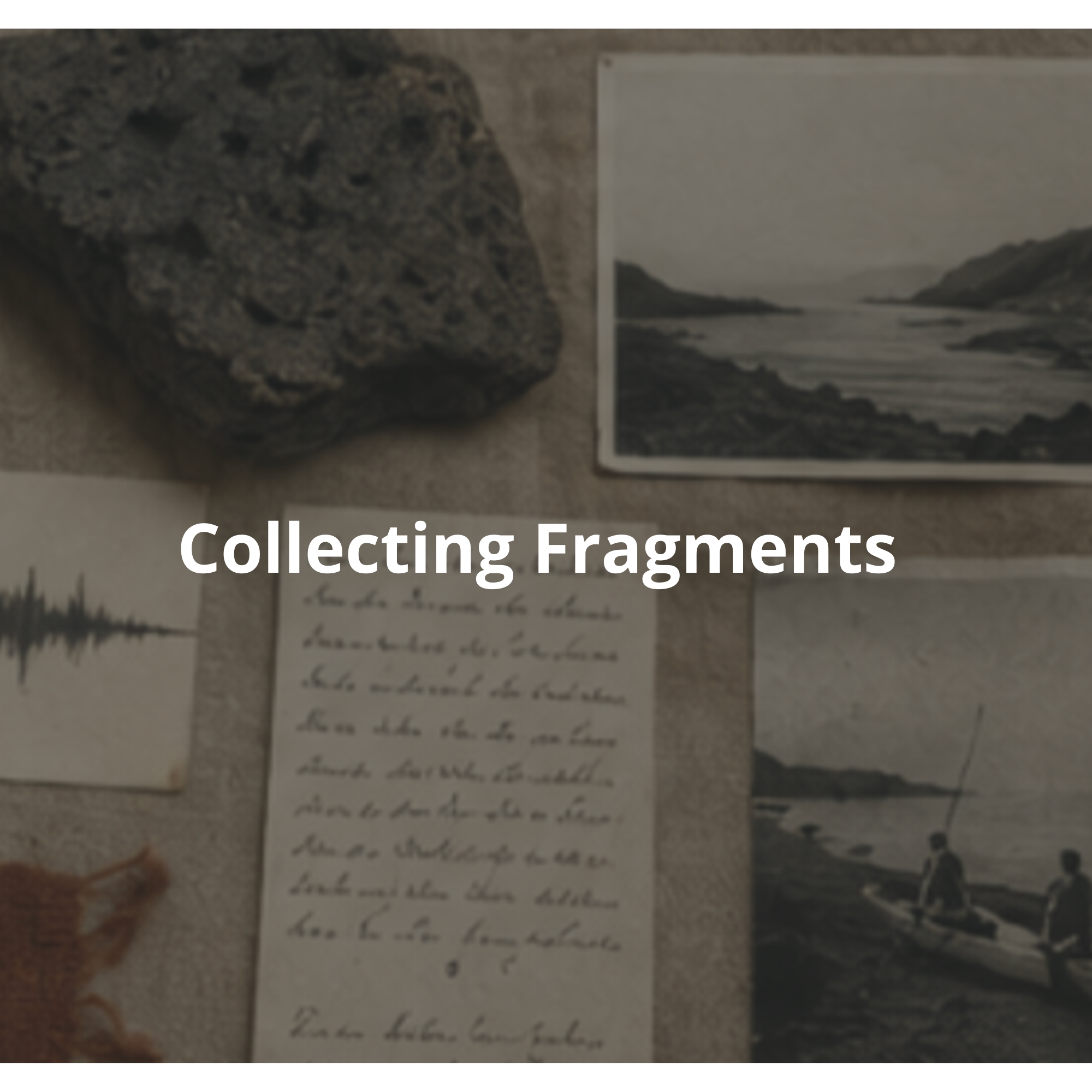
Collecting Fragments is our practice of gathering the traces people leave behind—photographs, letters, objects, recipes, sounds, gestures, family stories, and everyday artifacts. These fragments become entry points into larger histories and lived experiences.
Rather than searching for a single version of the past, we embrace partial memories, silences, and scattered pieces as meaningful forms of knowledge. Together, they create richer and more inclusive archives of individual and collective life.
Fragments may include:
Family photographs
Personal objects
Oral histories
Written memories
Cultural practices
Sensory memories
Community artifacts
"What can a fragment reveal about a larger story?"
-
Sensory Ethnography
Sensory Ethnography explores how people experience the world through their senses. It recognizes that memory, identity, and place are often shaped not only by what we see, but also by what we hear, touch, smell, taste, and feel.
Through observation, creative documentation, sound recording, walking practices, mapping, and reflective exercises, we attend to the sensory dimensions of everyday life.
This approach helps uncover forms of knowledge that traditional research methods may overlook, revealing how environments, objects, and atmospheres become intertwined with memory and meaning.
Sensory Ethnography invites questions such as:
What does a place feel like?
How do sounds shape memory?
What sensory experiences connect us to home?
How are histories carried through landscapes and environments?
"How do we remember through the senses?"